Canada with Kids, No Car Required

Ready to make family-friendly vacations in Canada without driving feel easy, joyful, and full of wow moments? We’re diving into rail routes, ferries, city transit, walkable neighborhoods, and nature shuttles that keep stress low and curiosity high. From ocean views to mountain shuttles, we’ll show you how to plan delightful days, keep kids engaged, and glide between highlights without touching a steering wheel, while saving energy for laughter, discoveries, and the little traditions that become your family’s favorite travel stories.

VIA Rail Adventures for Curious Kids

VIA Rail’s spacious seats, picture windows, and calm aisles invite families to spread out crafts, share picnic snacks, and narrate the passing scenery like your own moving picture book. Board in downtown hubs and arrive steps from transit, museums, and parks. Power outlets keep devices alive for tired moments, café cars add treats, and conductors often share helpful tips. The rhythm of the tracks becomes a lullaby, giving grown-ups a breather and kids a gentle, thrilling way to move across big distances.

BC Ferries: Ocean Views and Easy Routines

Sailing between the mainland and Vancouver Island can feel like a floating playground. Find family lounges, warm cocoa, and panoramic decks where kids count gulls, scan for seals, and cheer at distant orcas. Stroller-friendly elevators and wide corridors make movement simple, while clear announcements keep timing predictable. Pre-boarding routines, clean restrooms, diaper-change stations, and plentiful seating reduce stress. Build small traditions—your favorite table near the window, a shared muffin, a wave to the lighthouse—turning the crossing into a memory your children will request again.

Harbor Hops: Halifax and Toronto Island Ferries

Short city ferries deliver big smiles without long waits. In Halifax, the quick hop across the harbor adds skyline drama and an easy link to waterfront boardwalks, seafood shacks, and music drifting from patios. In Toronto, the Island ferries reveal beaches, splash pads, and car-free lanes perfect for balance bikes and picnic blankets. These bite-sized rides are ideal for first-time sailors, offering gentle thrills, breezes that feel like vacation magic, and photo moments that remind you travel can be simple and spontaneous.

Walkable Wonders: Cities Built for Small Steps

Choose neighborhoods that reward curiosity every few minutes, so little legs stay enthusiastic. Canadian cities shine with waterfront paths, compact districts, and excellent transit linking kid-pleasing stops. You’ll find aquariums, science museums, markets, and parks clustered in easy-to-navigate zones. Elevators, stroller ramps, and intuitive signage help families glide through stations and intersections. As street performers strum guitars and cafés pass out warm cookies, your route becomes a string of mini-celebrations, with rest spots and bathroom breaks never far from your next delightful discovery.

Mountains and Parks without the Parking
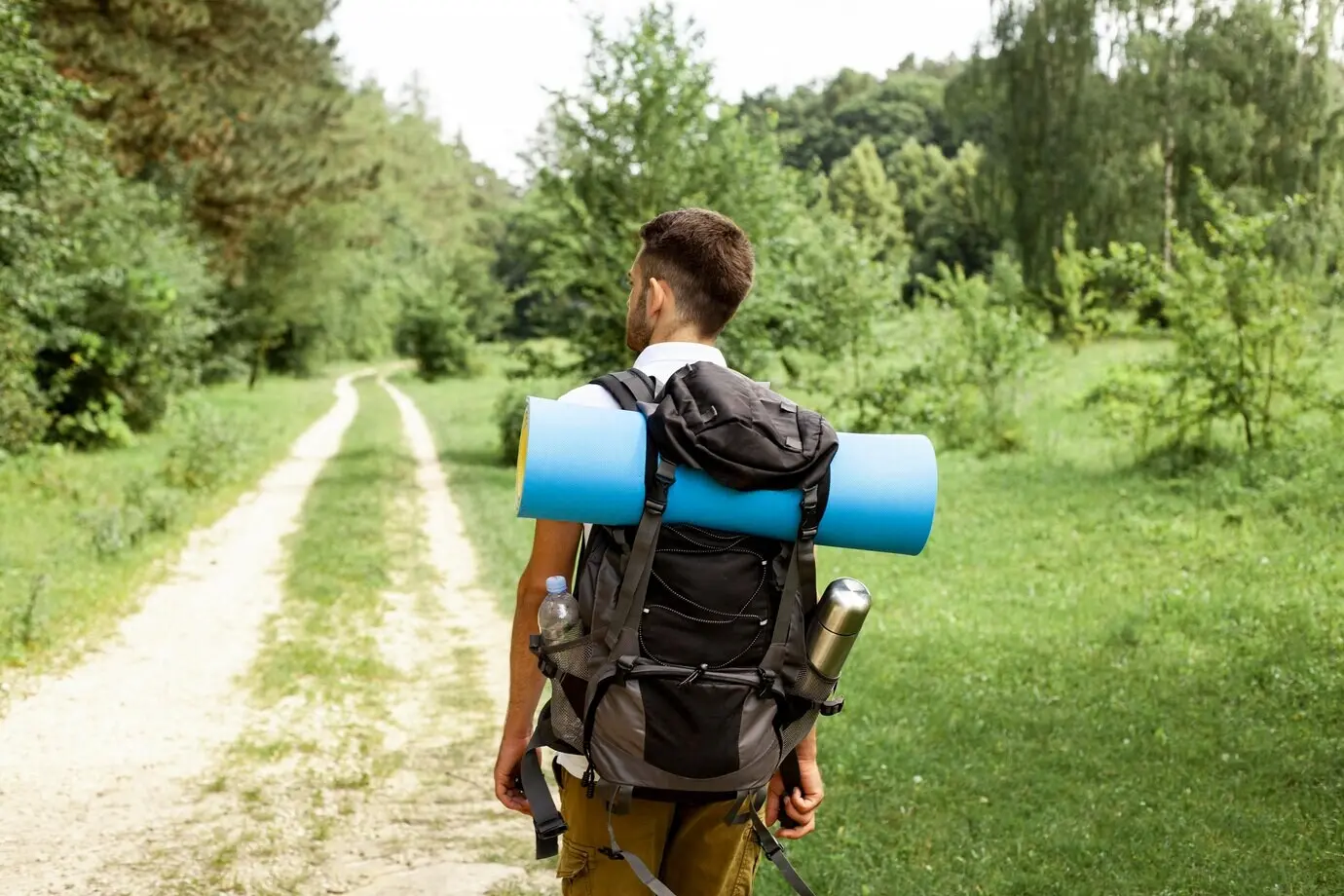
Canada’s famous landscapes are increasingly accessible without a personal vehicle. Between dedicated shuttles, local transit lines, and trails starting right from townsites, families can breathe alpine air without circling lots or navigating mountain roads. Timed reservations create structure, letting you build snack breaks and nap windows around reliable departures. Rangers and drivers share insider tips on wildlife viewing, stroller-friendly paths, and weather layers, turning each ride into a mini-guided tour. You’ll arrive calmer, step off focused, and spend more time where kids can run and wonder.

Iconic Sights, Seamless Connections

Canada’s biggest headliners are easier without a car than many expect. Rail lines slide into downtowns, while city transit, visitor shuttles, and hop-on connections cover the last mile. Plan around frequent departures and you’ll spend less time coordinating and more time marveling. Historic districts, waterfront promenades, and museum clusters naturally group activities so you can accomplish more with fewer transitions. The best part: kids remember not the logistics, but the mist on their cheeks, the thrill of a funicular, and the grin after a perfect snack.

Packing, Timing, and Kid-First Planning

A little preparation turns car-free travel into calm, connected days. Pack light layers, a collapsible stroller, and a small kit of snacks, crayons, and wipes for quick resets. Choose accommodations near transit stops to reduce energy drain between activities. Book timed entries and shuttles before you go, then build buffers for playground detours and curiosity-led pauses. Think in loops, not lines, so you can shorten or extend the day gracefully. With flexible expectations, small traditions, and reliable schedules, families thrive without touching a steering wheel.
Choose soft-sided luggage that fits overhead racks or under seats, keeping hands free for little fingers. A compact daypack with a lightweight blanket becomes a picnic table, shade, or cuddle spot. Slip in a change of clothes, silicone snack bags, a tiny first-aid pouch, and a favorite book. Label everything, pack zip-top wet bags, and practice a five-minute family repack drill at home. Onboard, organize a small “reach pouch” so essentials emerge fast, avoiding aisle rummaging when patience thins or views demand attention.
Lock in train seats together, ferry departures, and mountain shuttles before excitement outruns availability. Early slots beat crowds and preserve nap windows, while aisle-adjacent seats simplify wiggles and bathroom breaks. Screenshot confirmations in case of spotty service. Aim for attractions clustered within one or two transit lines so connections feel intuitive. Add a margin for slow breakfasts and playground detours, and designate one daily “must” alongside flexible “maybes.” Planning like this keeps spirits high, turns waiting into wonder, and transforms schedules into supportive scaffolding.

Ready-Made Itineraries You Can Copy and Tweak

Use these flexible outlines as a starting point, then tailor to your family’s pace. Each keeps transfers simple, highlights clustered, and breaks frequent. You’ll rely on rail, ferries, and shuttles while centering playgrounds, snacks, and sensory-friendly pauses. Focus on a few memorable moments per day—an aquarium touch tank, a skyline ferry, a sunset stroll—so enthusiasm stays high. End each evening near transit for an easy ride home, with time left for stories about today’s favorite surprise and tomorrow’s most exciting possibility.

Budget, Safety, and Accessibility Confidence

Car-free travel can be affordable, secure, and welcoming when you know where to look. Many transit systems offer discounted or free fares for children, while day passes simplify math. Safety grows from routines: meeting points, wristbands, and a practiced family script for busier stations. Accessibility improves with elevator maps, platform staff, and accommodations that prioritize ground-floor or lift access. With thoughtful pacing, emergency snacks, and a sense of humor, you’ll feel prepared for surprises and proud of every smooth, shared milestone.

Passes, Family Discounts, and Free Days

Research daily caps, weekend deals, and family passes that unlock unlimited rides across buses, subways, and trams. Museum schedules sometimes include discounted evenings, while ferries offer bundle pricing with attractions. Plan one picnic lunch per day to keep budgets predictable, and prioritize experiences that maximize time over tickets. Track small costs in a shared note and celebrate under-budget days with a modest treat. By aligning timing, passes, and expectations, you transform expenses into intentional choices that support comfort, spontaneity, and joyful discovery.

Station Savvy and Kid Locator Strategies

Before each day, pick a clear meeting spot and teach a simple help script kids can remember. Dress little travelers in bright layers, add discreet ID info, and snap a quick morning photo. Walk platform routes together, pointing out signage, elevators, and staff vests. Keep a small whistle or keychain light for attention in crowds, and assign adults to zones during boarding. Celebrate good listening with small rewards. Practiced habits turn busy nodes into confident passages, reducing stress and helping everyone move like a calm, connected team.

Strollers, Elevators, and Wheels Welcome

Check elevator status on transit apps, choose low-floor vehicles when available, and aim for level boarding where platforms align. Pack a compact stroller with a reliable brake and shoulder carry strap for stairs. Trains and ferries often have designated spaces; claim them early for easier turns and snack breaks. Consider a soft carrier for short stretches, then rotate between walking, riding, and resting. With accessible routes, wide doors, and patient pacing, wheels become an ally, not a burden, carrying energy forward to the next joyful stop.

Mafuzumuvotuzerofe
Privacy Overview

This website uses cookies so that we can provide you with the best user experience possible. Cookie information is stored in your browser and performs functions such as recognising you when you return to our website and helping our team to understand which sections of the website you find most interesting and useful.